The opportunity

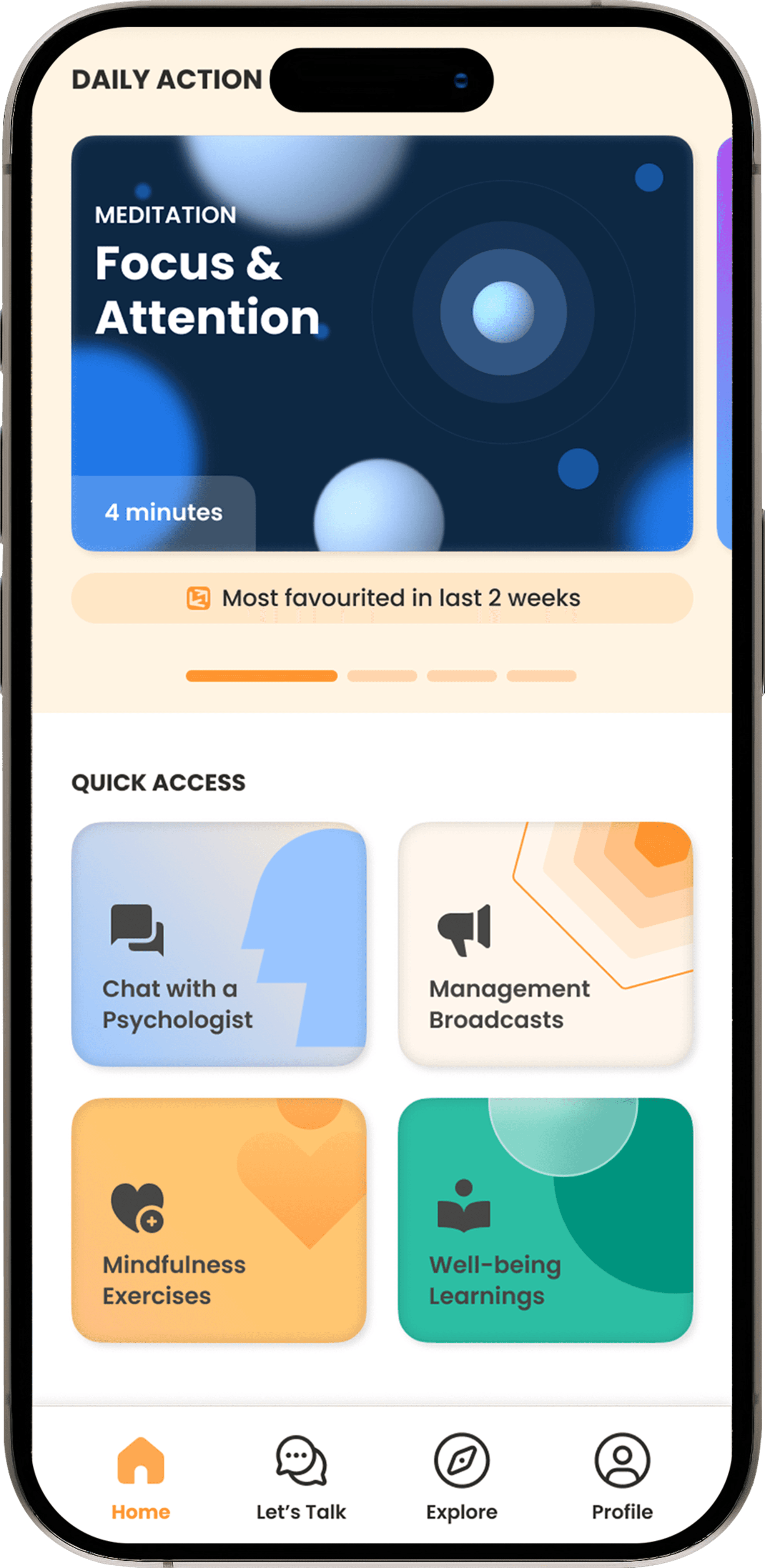
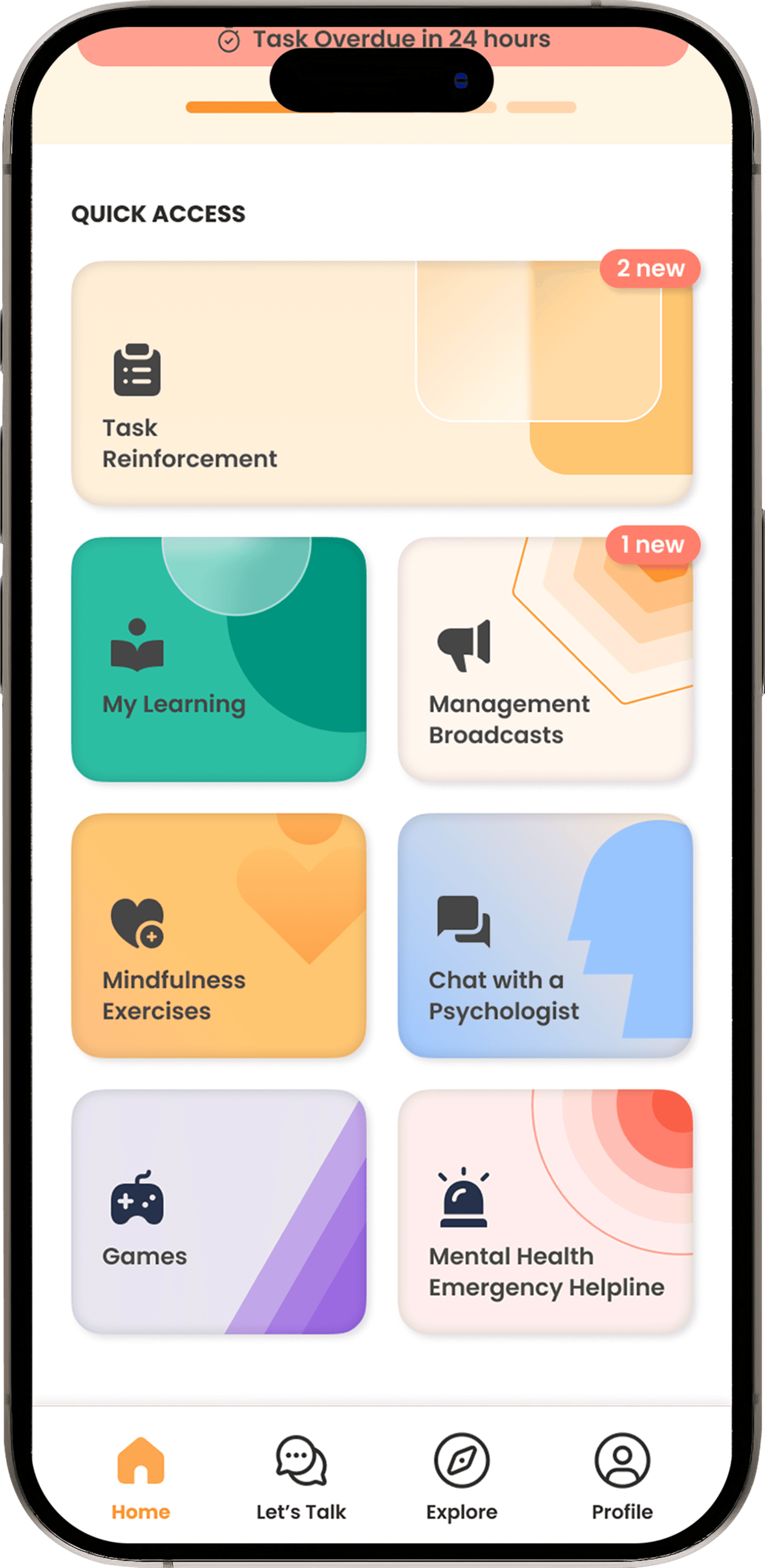
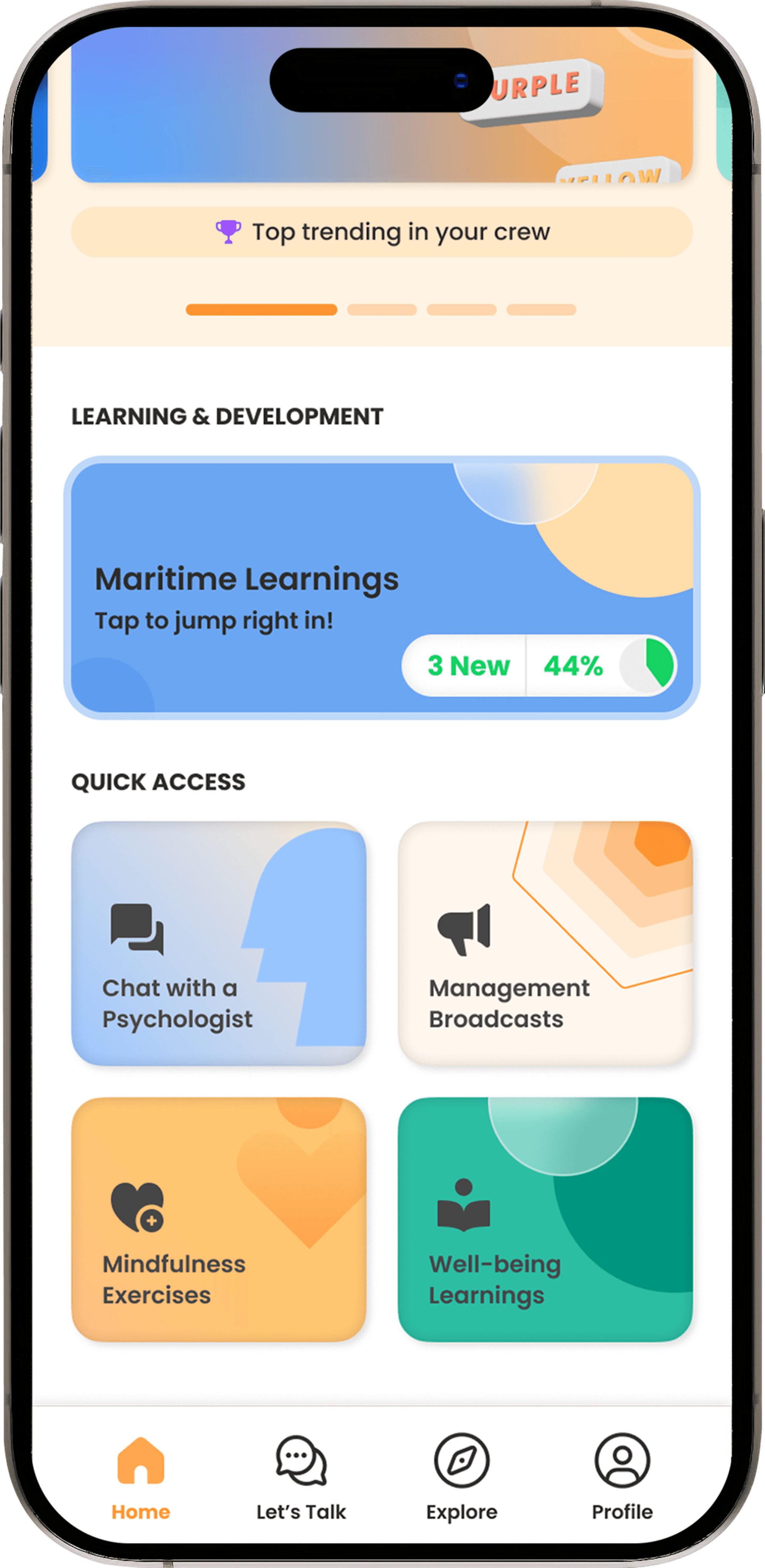
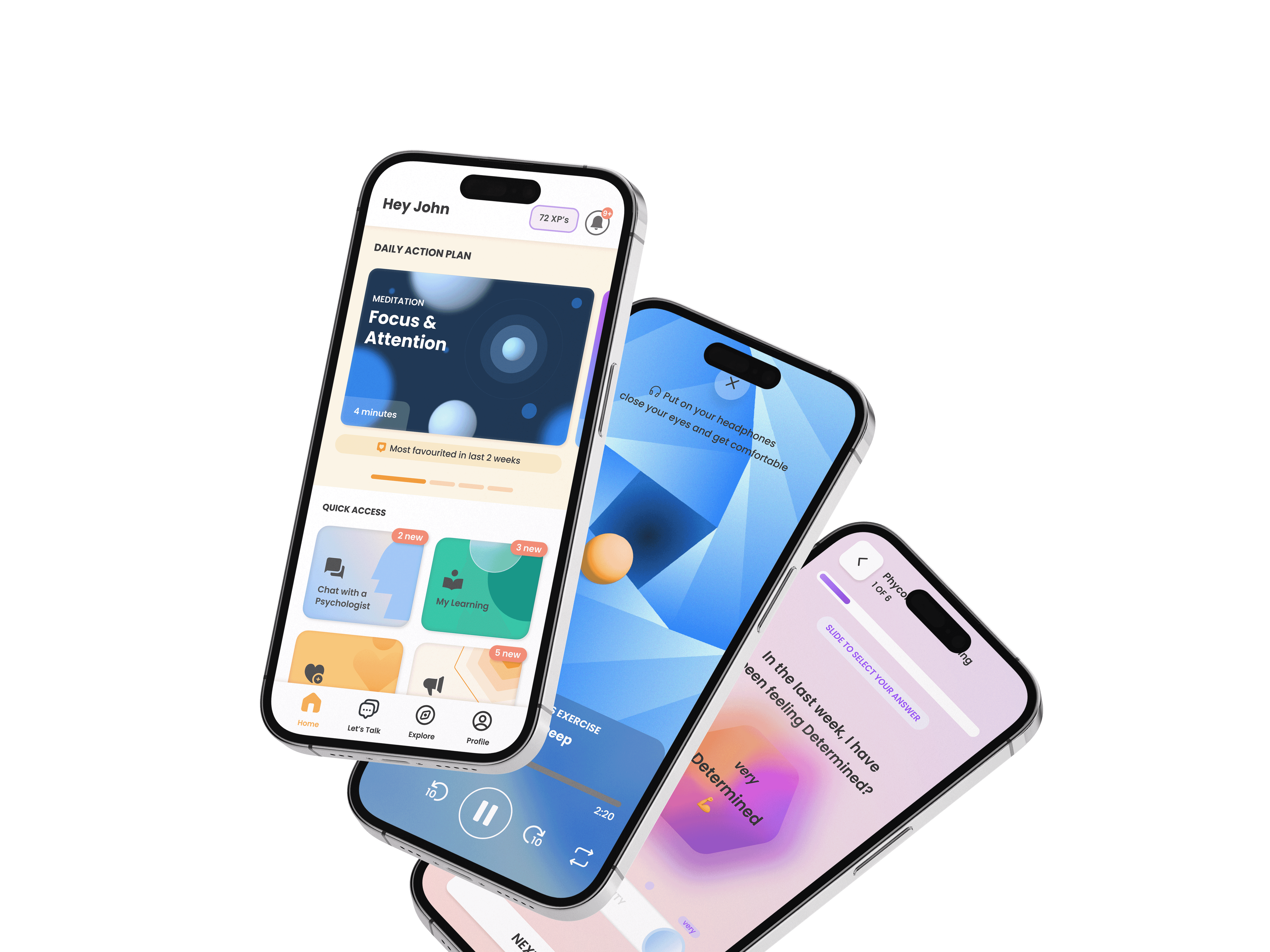
The homepage is the most visited, most judged and most abandoned screen in any app. For a frontline workforce that opens the app between shifts, in low connectivity and limited time - it had to do a lot with very little. The opportunity was to design a space that felt personal, purposeful and worth coming back to. Not just a dashboard. A daily anchor.

APP HOMEPAGE

APP HOMEPAGE

What makes a homepage tick? How do you know if its working well?
These were some of my questions while designing for the most prime real estate in our product. A hub, a container or a space for daily respite - our homepage aspired to be many things for our Users.

What makes a homepage tick? How do you know if its working well? These were some of my questions while designing for the most prime real estate in our product. A hub, a container or a space for daily respite - our homepage aspired to be many things for our Users.

Product Strategy

Core UX

UI Developement

TL;DR

Designed and shipped the homepage for the mobile app. Improved engagement and time spent in app by +67% from the legacy version.

Get in Touch

Core MOAT's

  • Gamifying the entire user journey

  • Rewards and Recognition

  • Social Validation and Social Share

  • Personalisation

Enablers

  • Incentivise User Behaviour

  • Show visible progress

  • Building a community

  • Excellent Customer Support in-app

Engagement MOATs. Product Decisions

What we built toward, and the calls that shaped how we built it.

How I tried to define winning

The invisible work that makes design matter
How I tried to define winning

The invisible work that makes design matter
Picking a Navigation Model That Scales

The invisible work that makes design matter
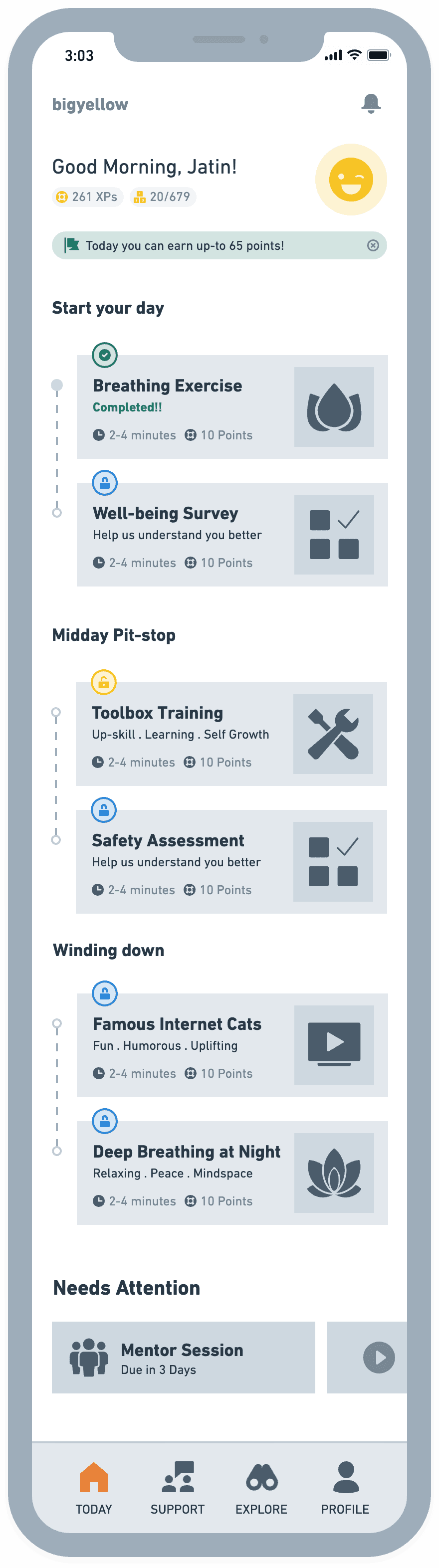
• CONCEPT 1 •

Structure-first. Tasks unlock as the User's day unfolds. Anchored in routine building.

Risk: felt like a to-do list. Users needed agency,

not a schedule.

Routine & Regime

• CONCEPT 1 •

Structure-first. Tasks unlock as the User's day unfolds. Anchored in routine building.

Risk: felt like a to-do list. Users needed agency,

not a schedule.

Routine & Regime

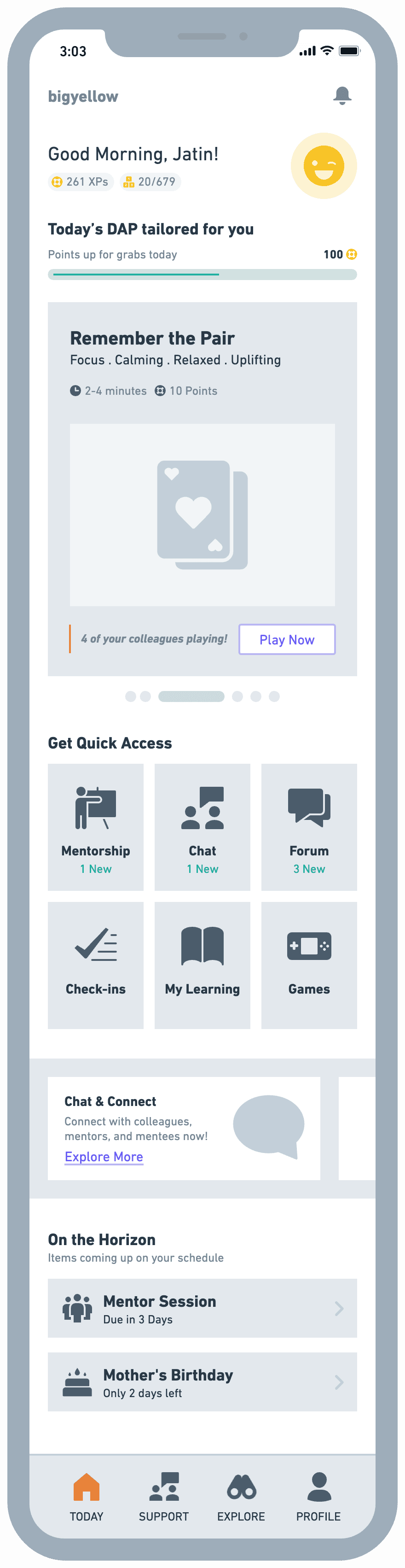
• CONCEPT 2 •

One thing at a time. Familiar enough to trust, focused

enough to act.

Chosen direction: Introduced focus while echoing familiarity.

Focus & Familiarity

• CONCEPT 2 •

One thing at a time. Familiar enough to trust, focused

enough to act.

Chosen direction: Introduced focus while echoing familiarity.

Focus & Familiarity

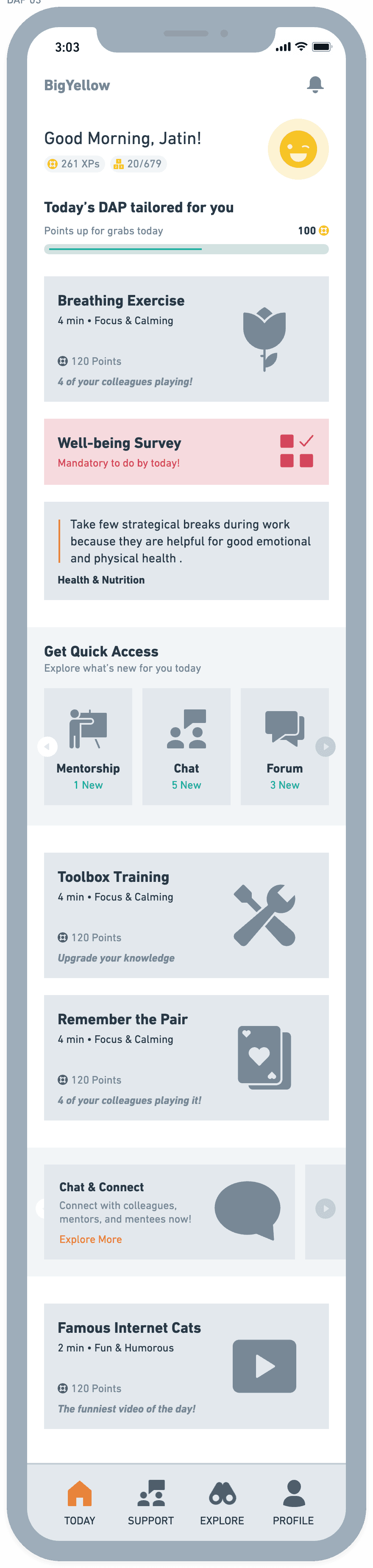
• CONCEPT 3 •

Variety as the hook. Tasks mixed with moments of pause and passive content.

Risk: felt like a to-do list. Users needed agency,

not a schedule.

COMBI & BREAKERS

• CONCEPT 3 •

Variety as the hook. Tasks mixed with moments of pause and passive content.

Risk: felt like a to-do list. Users needed agency,

not a schedule.

COMBI & BREAKERS

HOW DID WE BEGIN?

By exploring what the homepage could fundamentally be.
Three directions, all centred around one question:
What do our Users actually need the moment they open our app?

By exploring what the homepage could fundamentally be. Three directions, all centred around one question: What do our Users actually need the moment they open our app?

• CONCEPT 2 •

One thing at a time. Familiar enough to trust, focused

enough to act.

Chosen direction: Introduced focus while echoing familiarity.

Focus & Familiarity

• CONCEPT 1 •

Structure-first. Tasks unlock as the User's day unfolds. Anchored in routine building.

Risk: felt like a to-do list. Users needed agency,

not a schedule.

Routine & Regime

• CONCEPT 3 •

Variety as the hook. Tasks mixed with moments of pause and passive content.

Risk: felt like a to-do list. Users needed agency,

not a schedule.

COMBI & BREAKERS

Slide 1 of 3

FLEXIBILe

• HUB & SPOKE •

modular

• DYNAMIC CONTAINERS •

SUBSCRIPTION BASED

• ORG LEVEL CONFIGURATION •

Daily Action Plan

Quick Access Cards

WIREFRAME STRUCTURE

SOLVING FOR

MULTIPLE FUNCTIONS

Due to the multi-functionality of the app, a grid based modular system helped us -

Subscription features toggled per client, no redesign required.

Personalise user experience for Individuals.

Hub-and-spoke model preserved regardless of configuration depth.

SUBSCRIPTION BASED

• ORG LEVEL CONFIGURATION •

FLEXIBILe

• HUB & SPOKE •

modular

• DYNAMIC CONTAINERS •

Slide 1 of 3

built for any configuration

built for any configuration

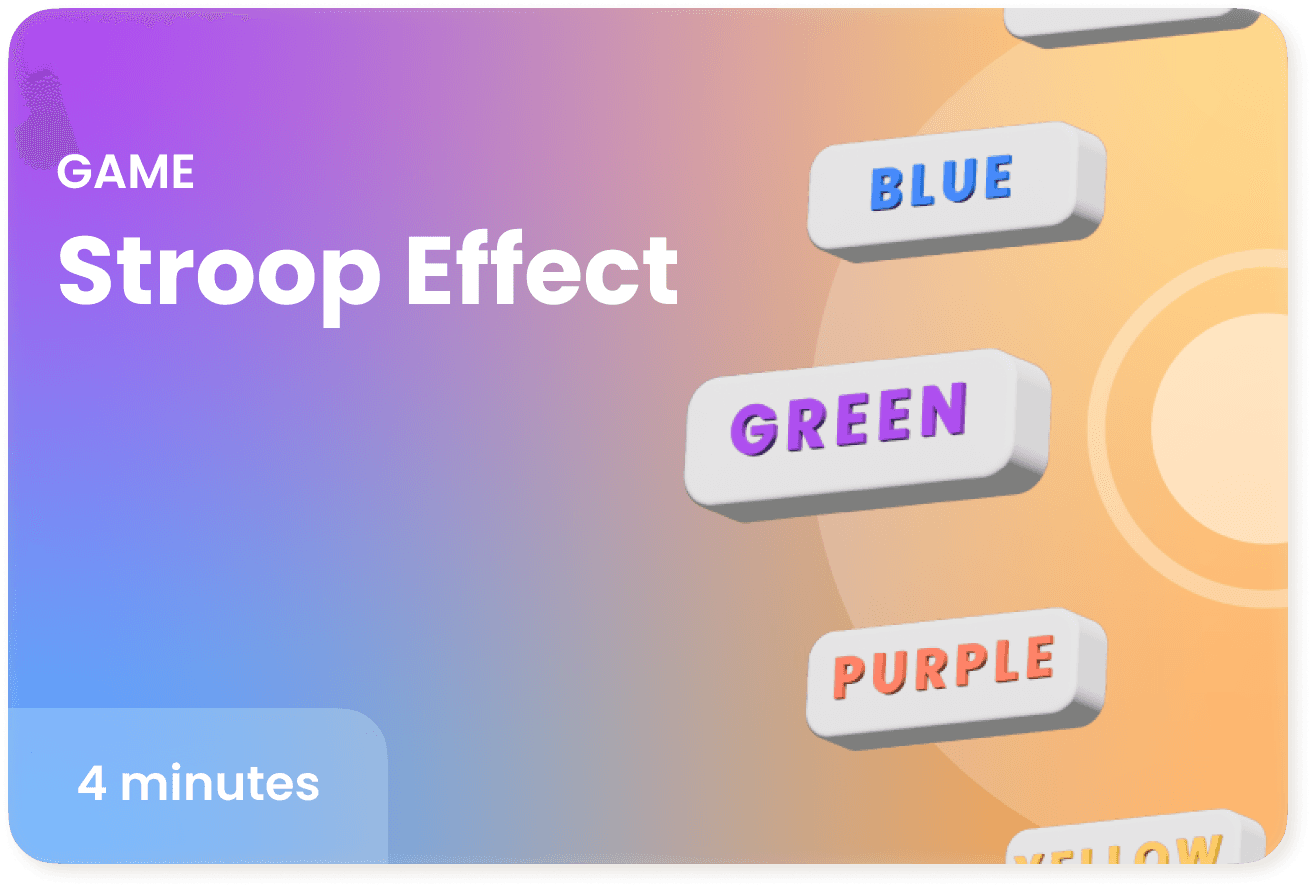
The same homepage grid adapts to any client setup, any subscription depth, without a single layout rebuild.
DESIGNING FOR RELEVANCE over routine

DESIGNING FOR RELEVANCE

over routine

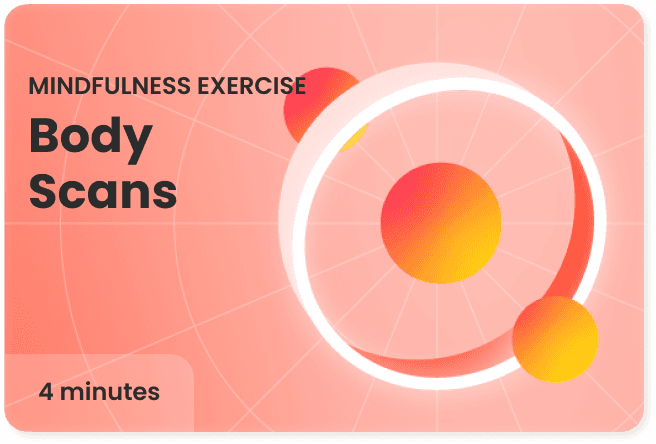
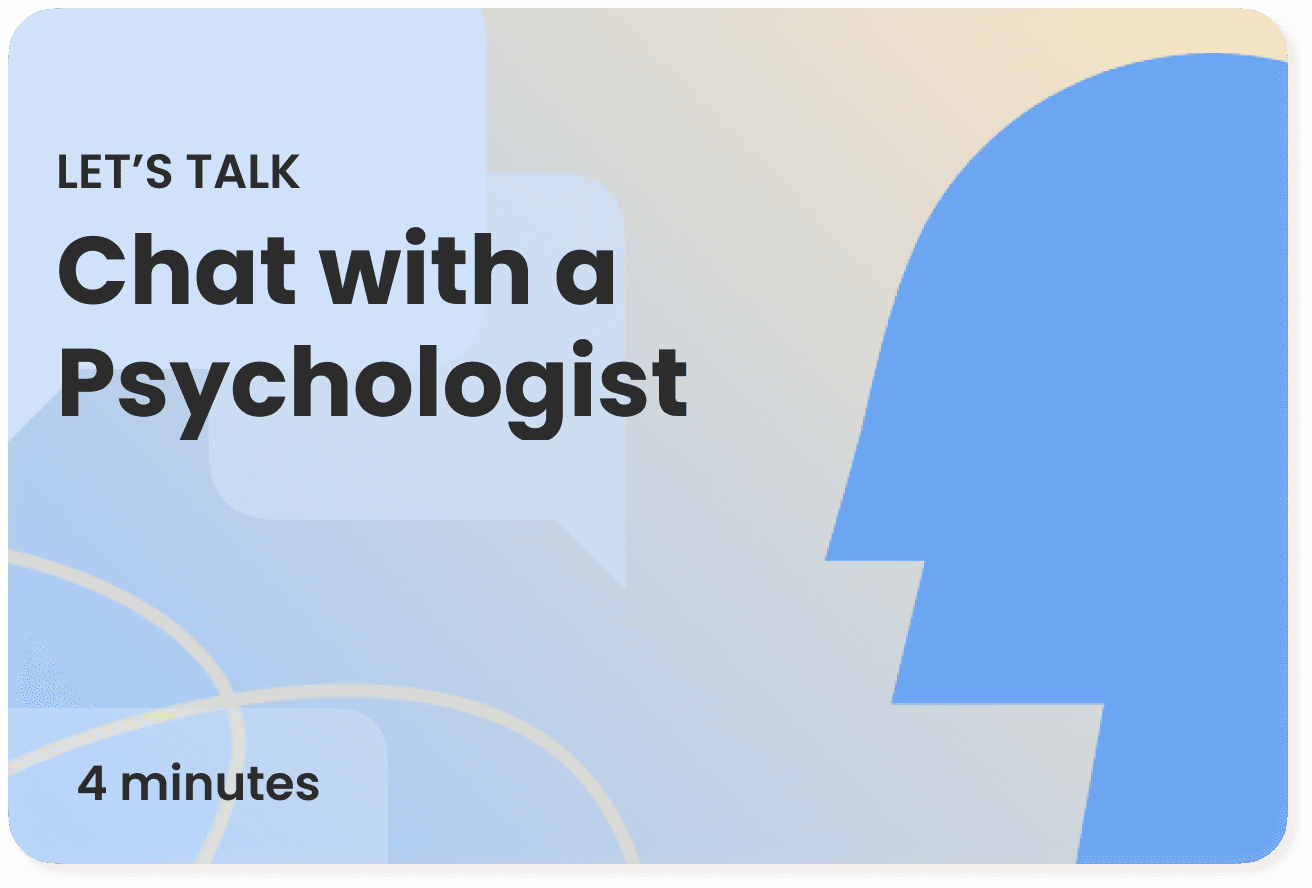
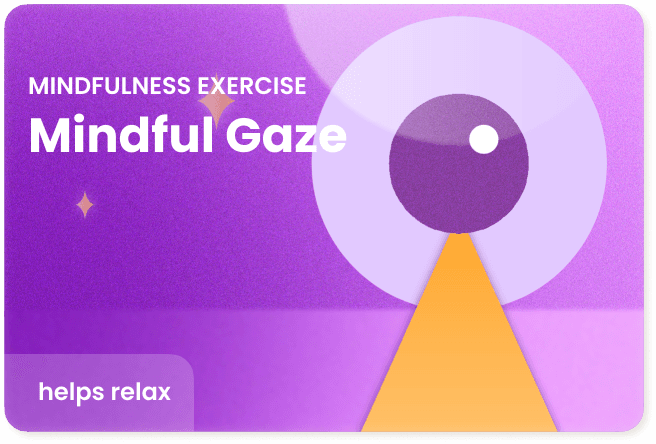
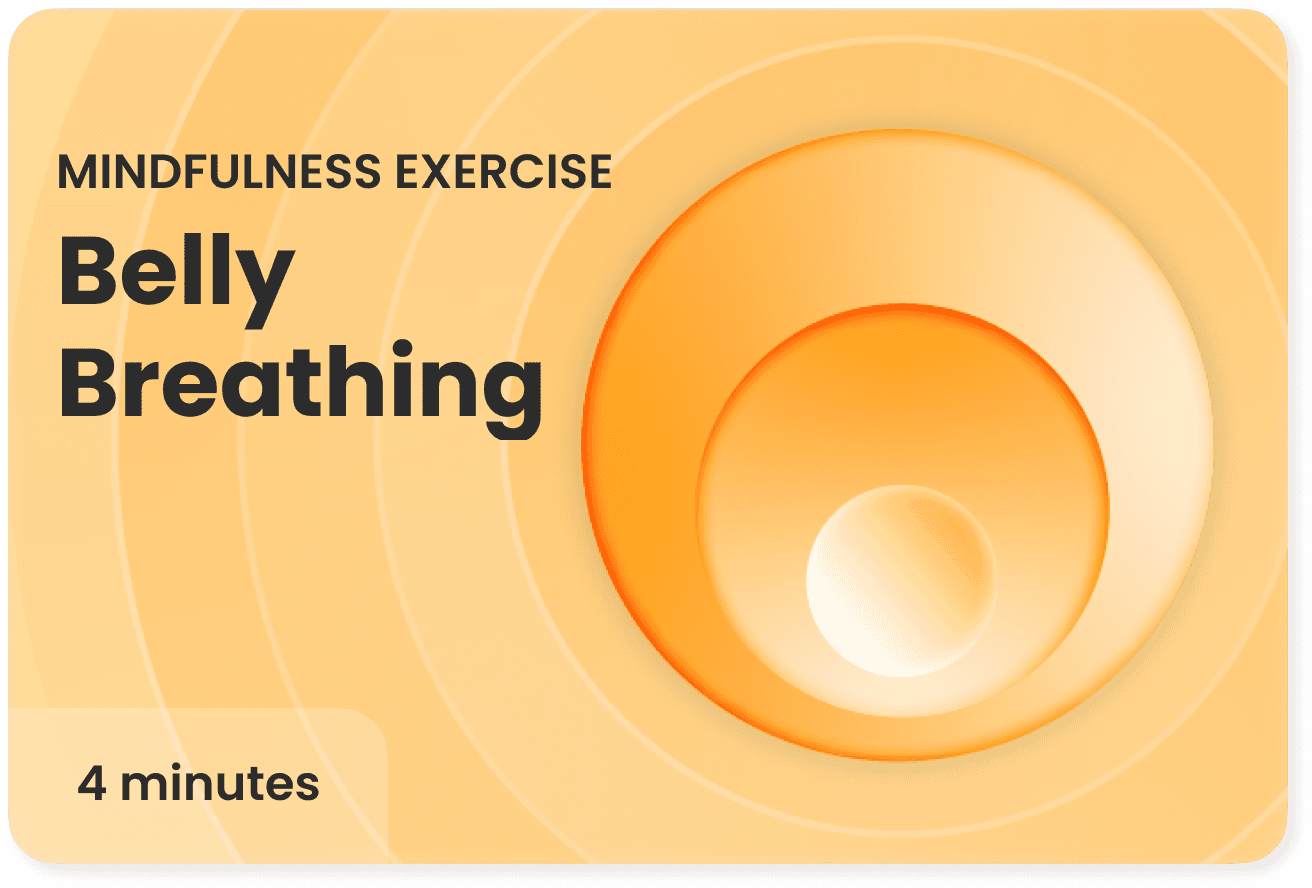
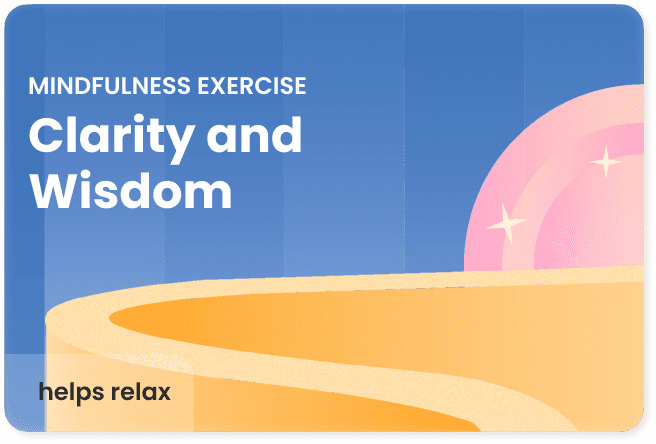
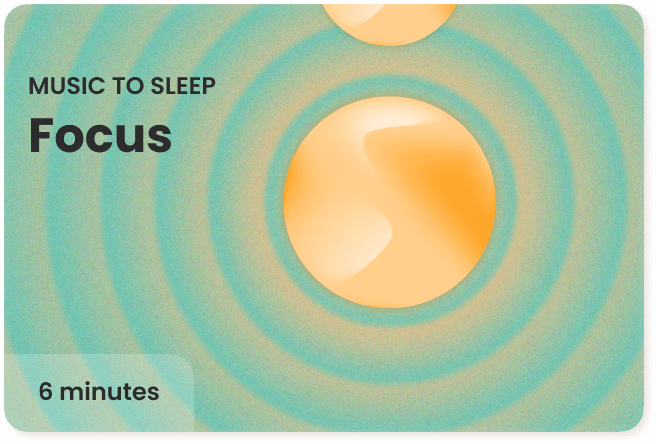
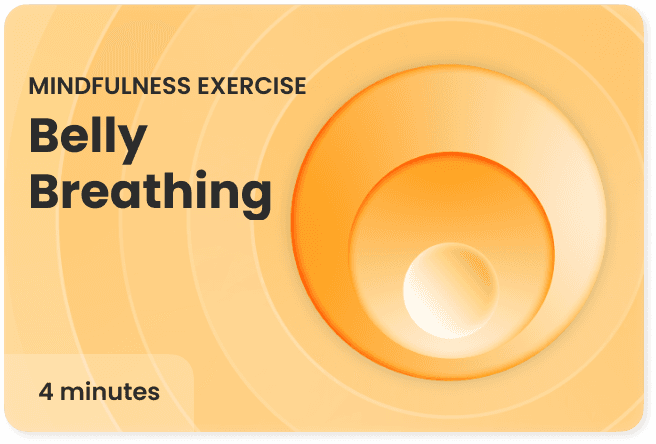
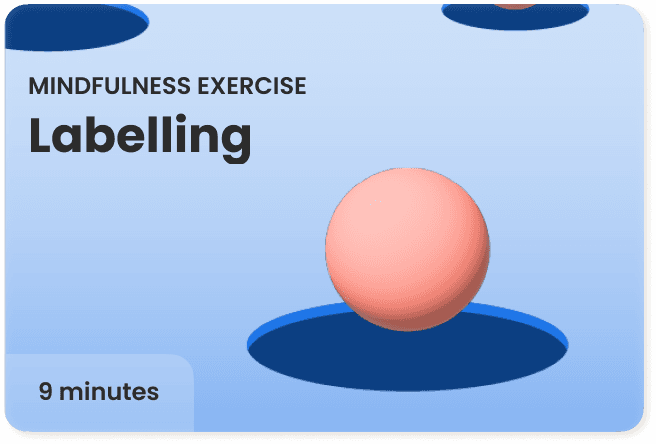
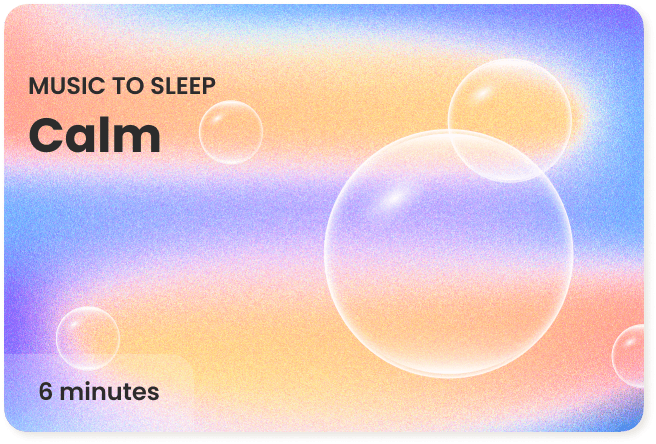
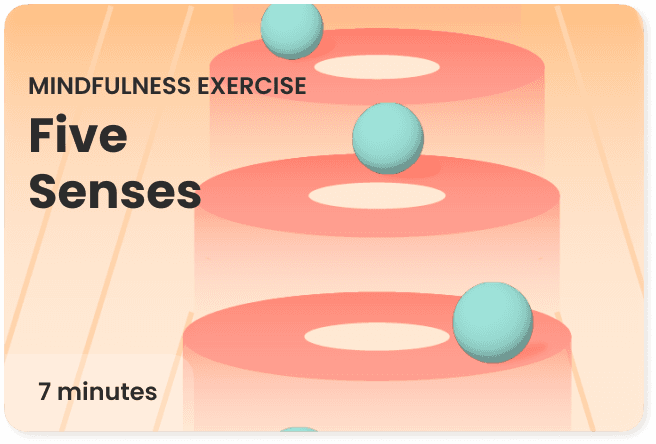
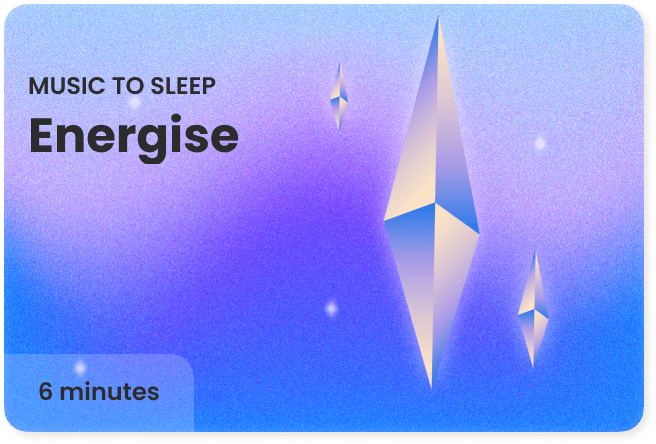
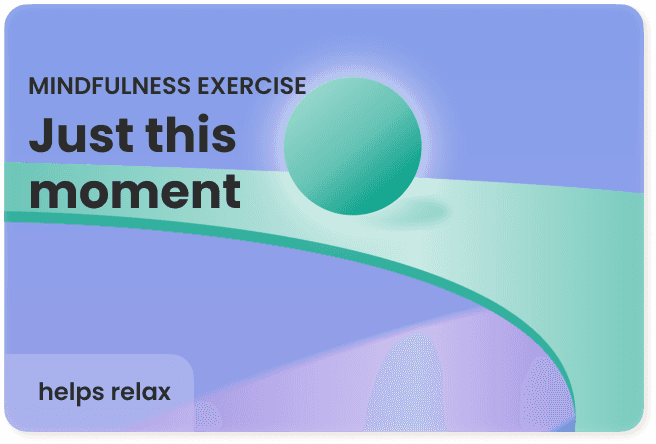
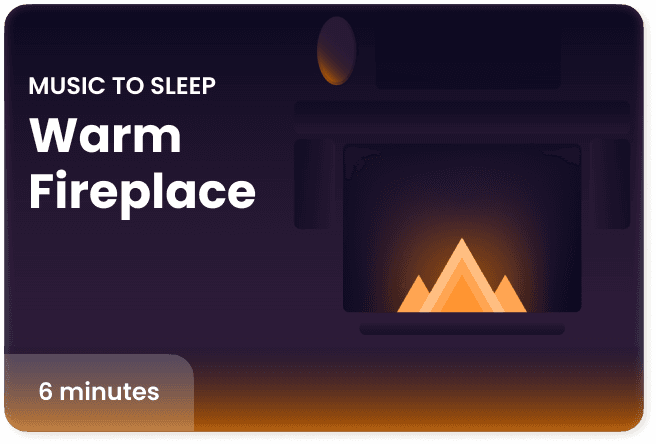
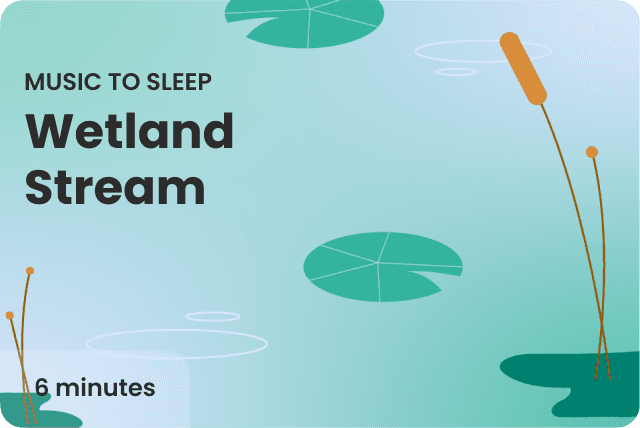
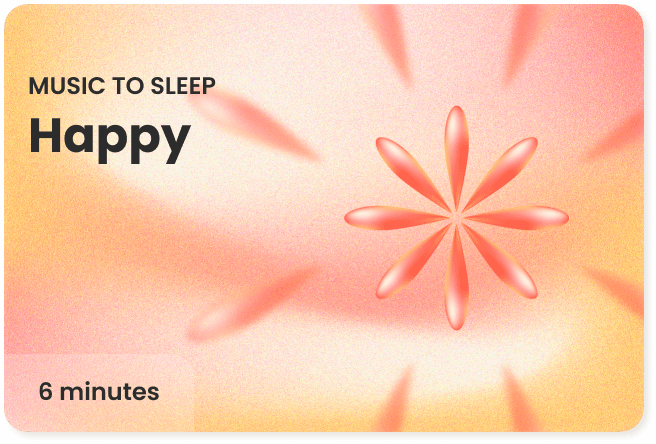
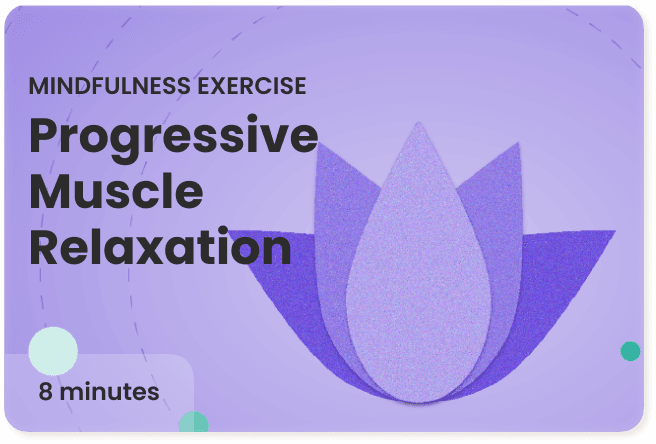
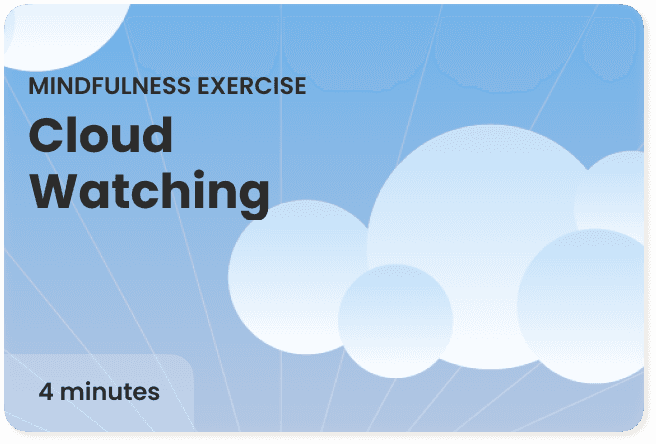
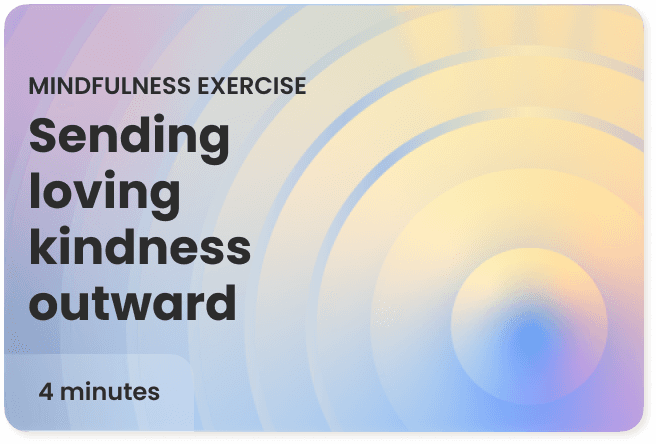
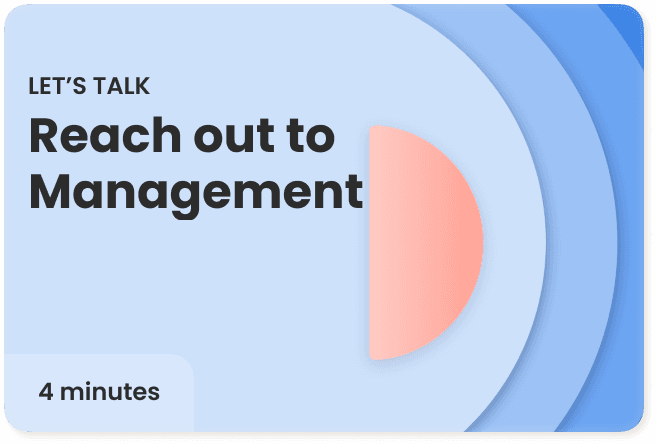
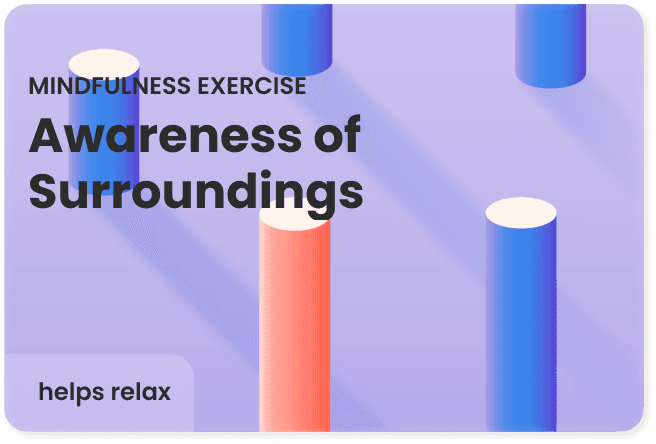
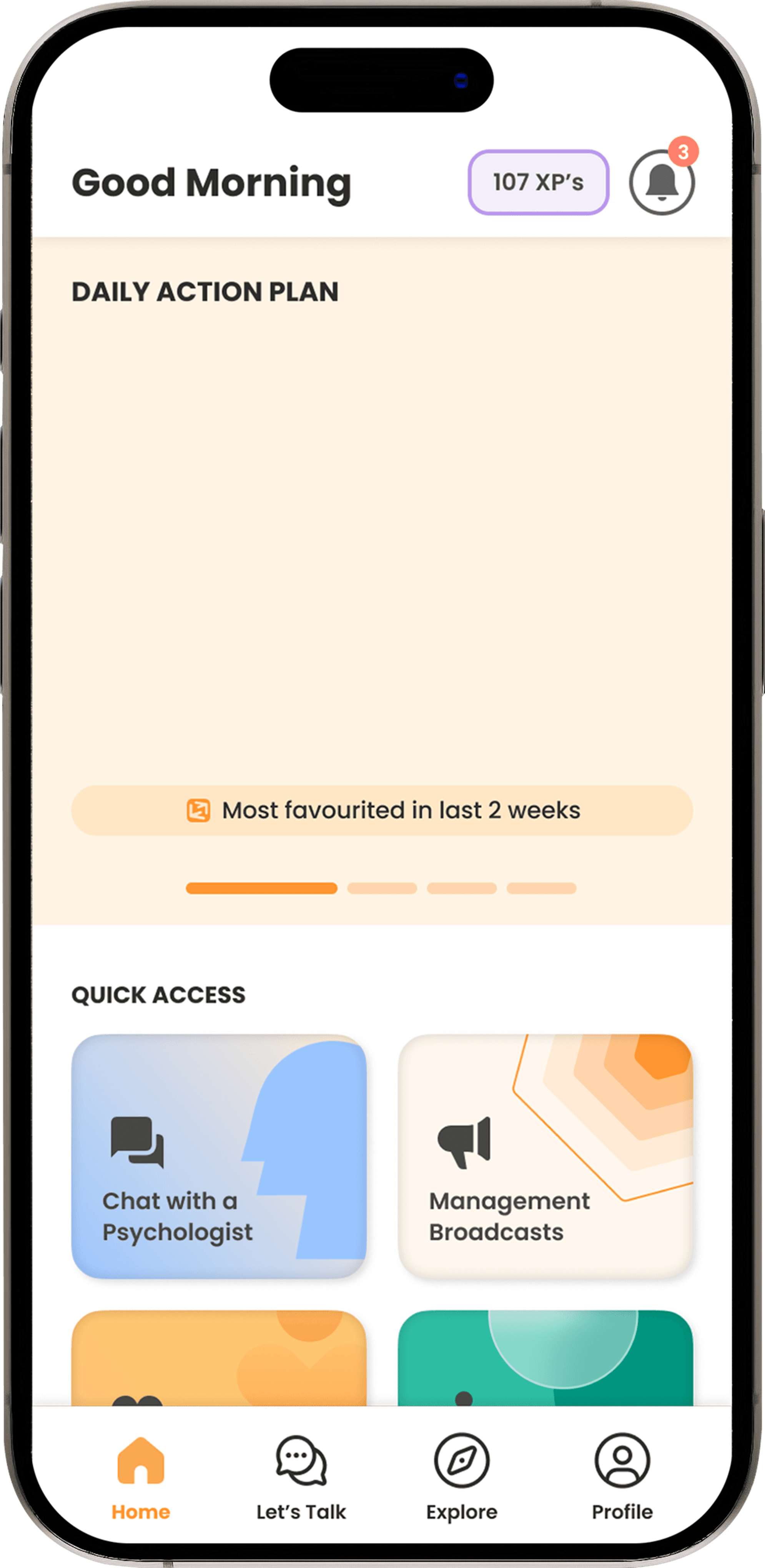
The challenge was to surface personalised interventions without overwhelming the user. I leaned into familiar interaction patterns and gestures to present these interventions and features as intuitively. Each card was individually illustrated to make every intervention feel distinct, identifiable, and worth engaging with.

Building a REWARDS SYSTEM

The reward system was one of the most strategically layered problems we solved. We inherited a broken points system and had to transition existing users without losing their sense of progress - while building something scalable enough to grow with the product.
System longevity: Built once, zero core logic changes across 2 years

Onboarding hook: Badges triggered within first session to drive gratification

Extending The System Across Use Cases

Extending The System Across Use Cases

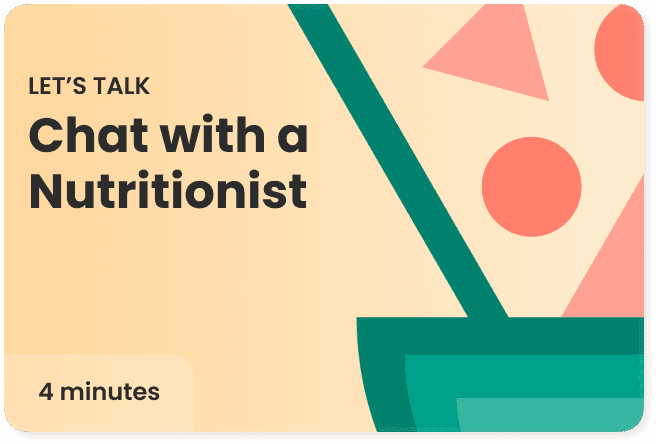
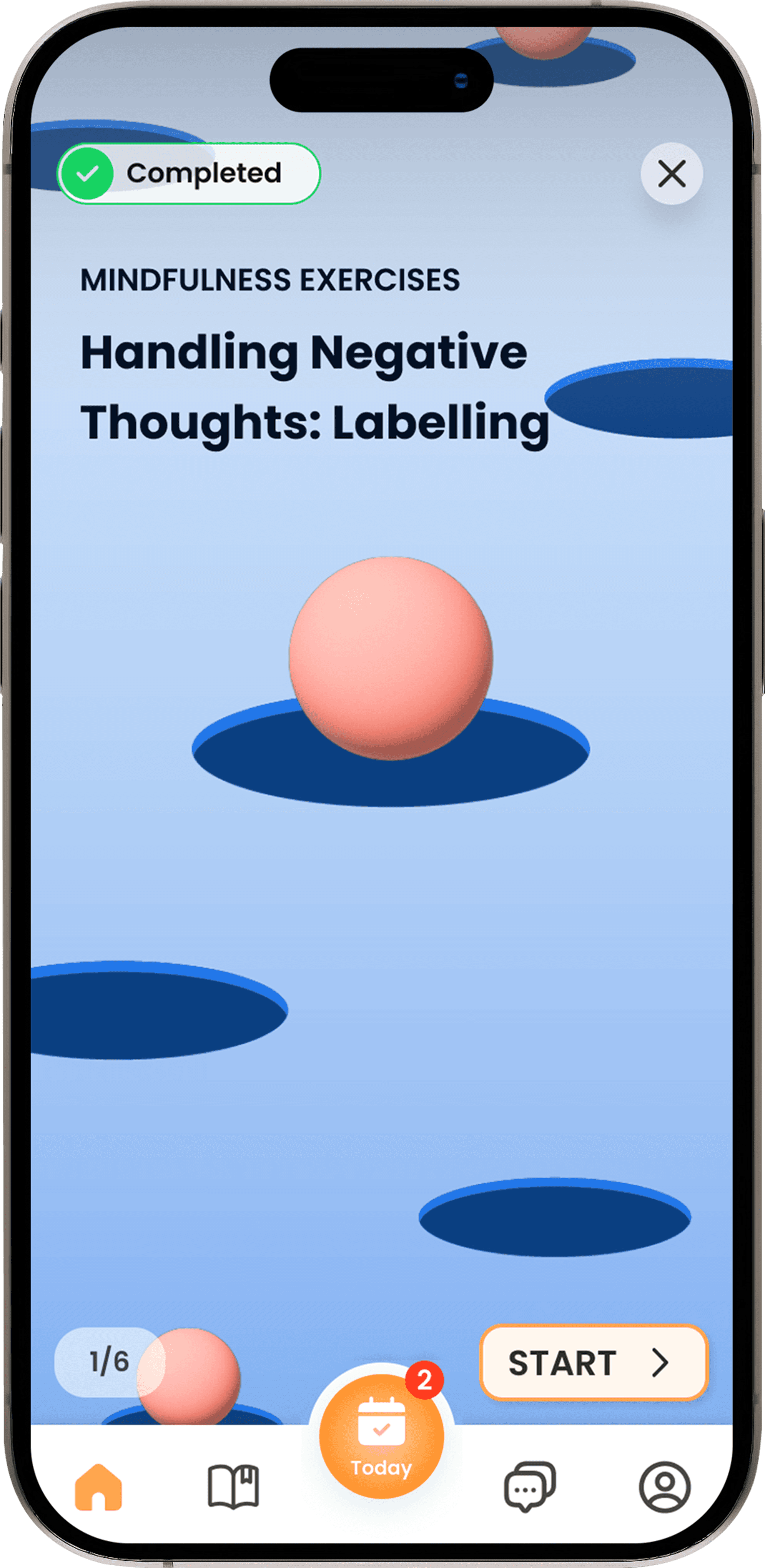
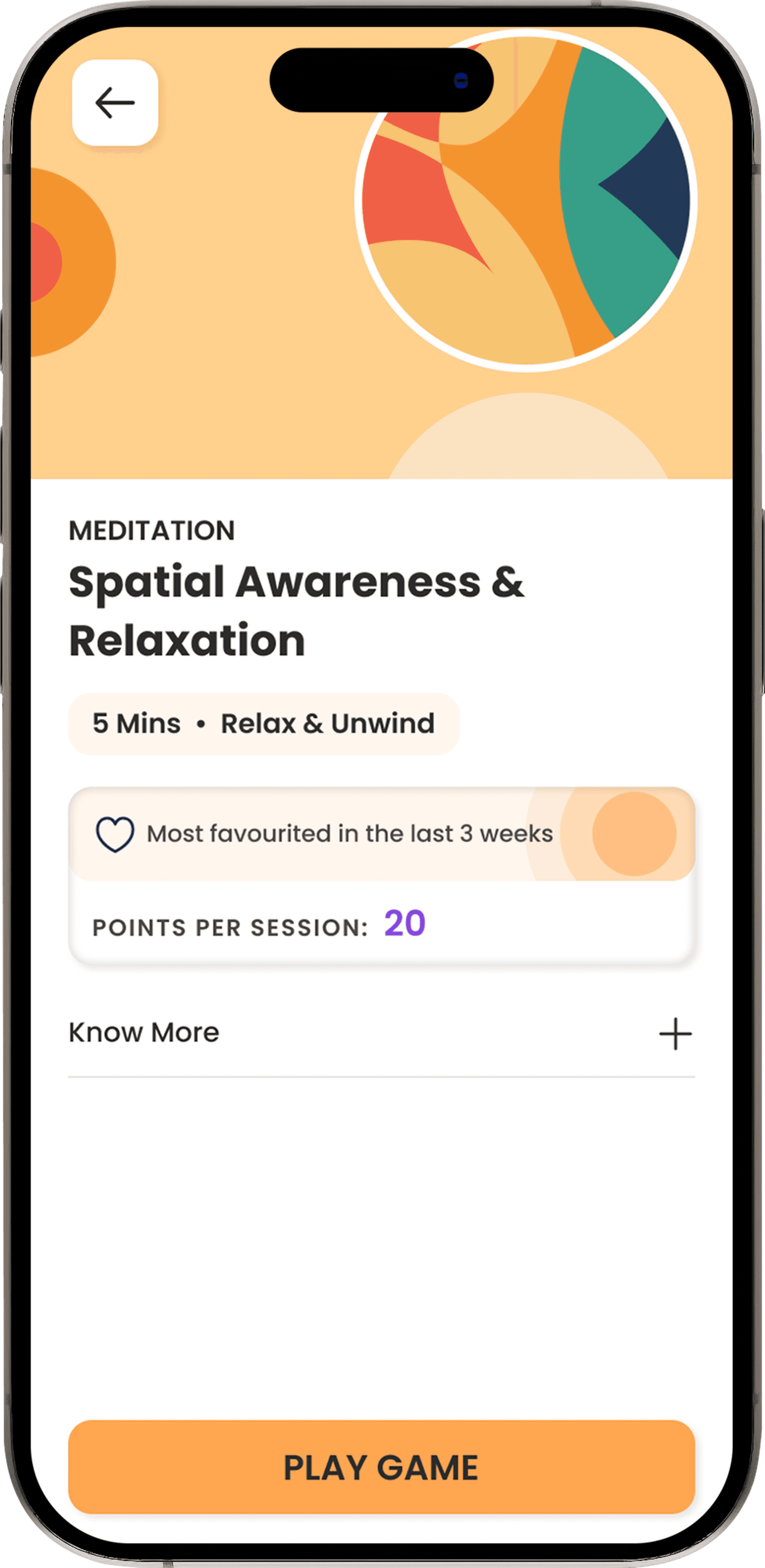
Once the component logic, illustration style, and interaction patterns were in place, every new screen had a clear starting point. A meditation detail, a gamified intervention, a mental health hub. Three different user intents, one coherent design language
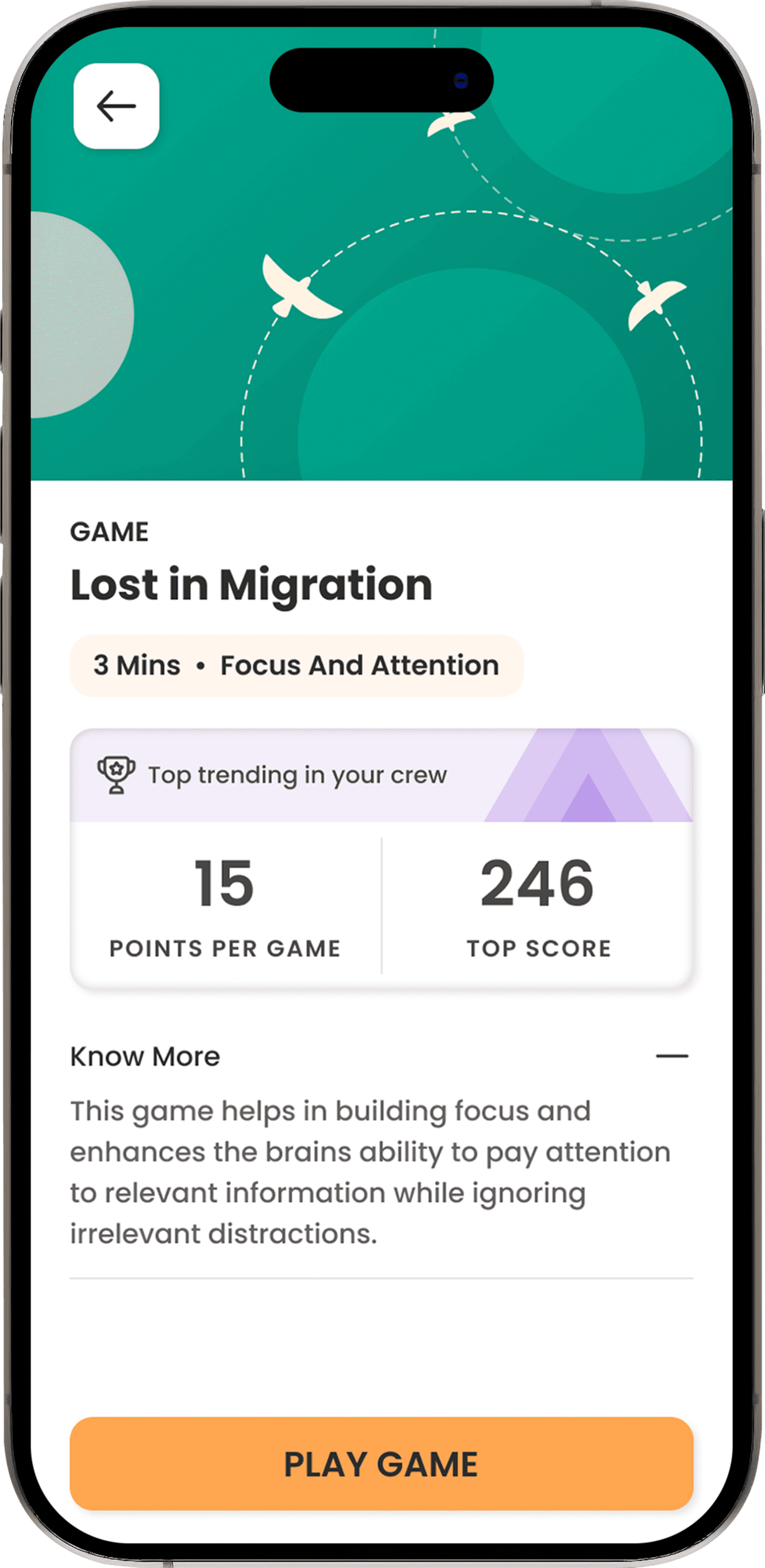
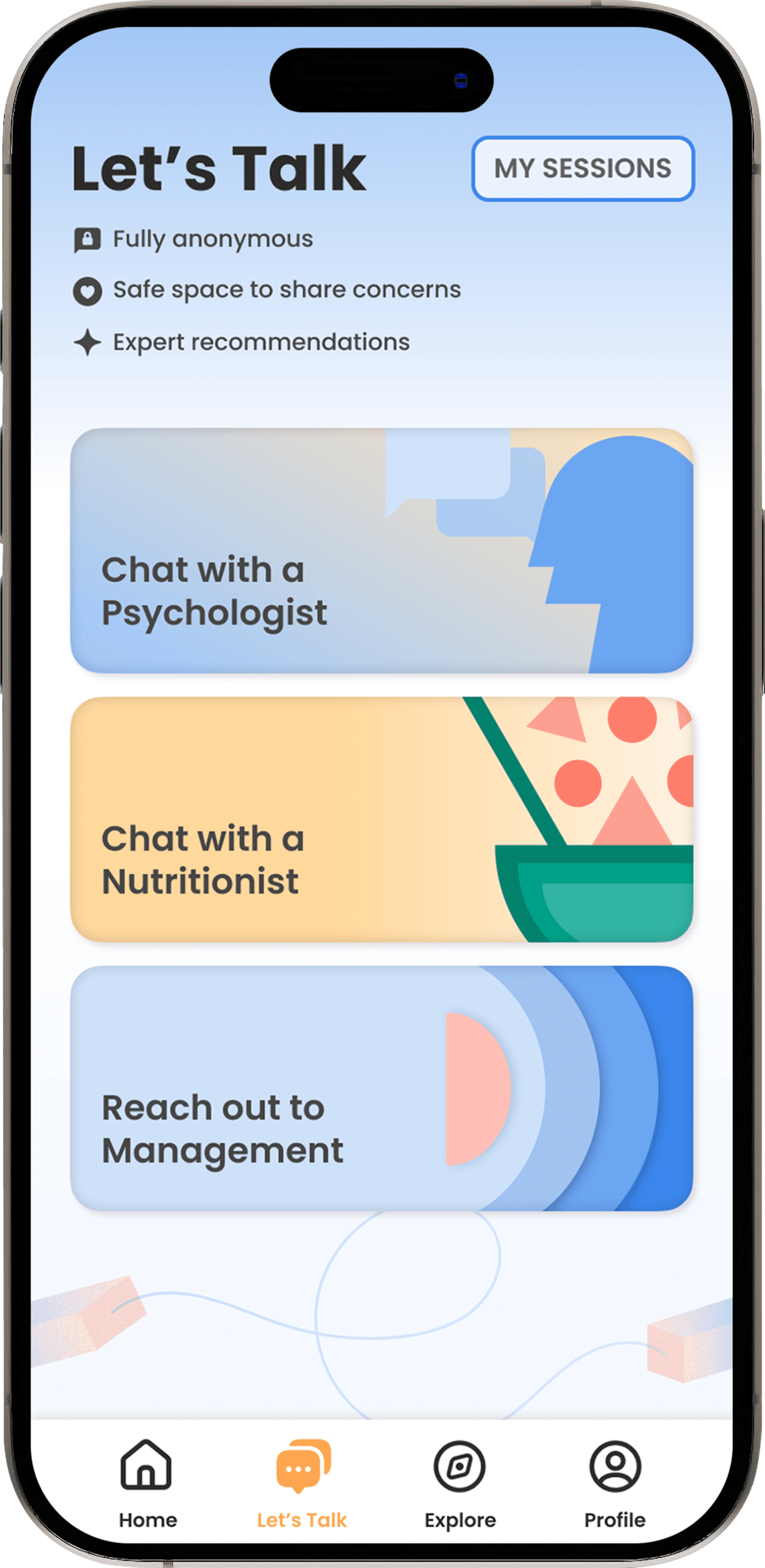
• CONTENT DETAIL SCREEN •

• GAMIFIED INTERVENTION •

• LET'S TALK - LANDING SCREEN •

Slide 1 of 3

• GAMIFIED INTERVENTION •

• LET'S TALK - LANDING SCREEN •

• CONTENT DETAIL SCREEN •

WHAT CAME NEXT?

The last iteration we were exploring wasn't really a homepage. It was a full-screen, distraction-free view of the user's active DAP task. No cards, no navigation noise. Just the one thing that mattered to them right now.

This is where the work paused. The experiment was live, the questions were forming and I left the role before we had answers.

Open Ended Questions :

  1. Does a focused view increase time to first action, or does it disorient Users who rely on the full surface?

  2. If the homepage becomes task-first, does it improve or drop feature discovery?

  3. Does that matter if task completion goes up?

  4. Does it create a tunnel that reduces cross-feature engagement?